Saturday, 11 November 2017

6 month exposure

Watch The ‘life of a pin hole photographer’ video

Now watch the institutional video about making the 6 month duration pin hole camera. Make notes on all the equipment that you need.Don't worry about the paper.


Task - 

  • Spend some time thinking about where you could leave a beer can camera, consider the path of the sun and the shot you may get.  
  • Create a slide that looks at the work of Justin Quinell, who is he and what does he do?
  • Create a slide that explains what you are going to
  • Add a screen shot of google maps that shows where you are going to place your camera
  • Bring in a WASHED OUT, Aluminium drinks can for next lesson


Friday, 3 November 2017

Bokeh

Your images are here

the way the lens renders out-of-focus points of light


objective:

  • To identify images that contain examples of bokeh and
  • produce your own images that contain bokeh

Task (lesson)
  • Find some images from the web that contain some bokeh
  • Explain how these images are created and how to create the most dramatic bokeh
Homework (deadline 10/11/17)
  • Create your own images at home that show off the effect - the best images will have an object in focus while having some bokeh in the background like this:


Extension task
  • Create a heart shaped bokeh
Tips (will be discussed in class)
  • De-focus the background
  • Use a low aperture setting 1.8
  • Other compensations will need to be met to enable a low aperture setting
  • Zoom in
  • When focusing on the foreground, make sure the difference between the foreground and background is large
  • I don't want just blurry images

Tuesday, 31 October 2017

Ansel Adams - Exemplar Case Study


Emily Upton's example of a case study

Task 1 (6th and 7th of November) - 
Pick one of the following photographers/artists:
Ansel Adams
May Ray
Richard Avedon
Dorothea Lange
Steve McCurry
Irving Penn
Edward Weston

Find out about your choice and write a short biography, continue to find out about other work being created at the same time (google search art work created between **** - ****).  You need to gather the following information:

  1. What sort of work did the artist create?
  2. Did they produce any books?
  3. What were other artists doing at that time/country?
  4. What was happening in their time culturally & politically?


Tilt Shift


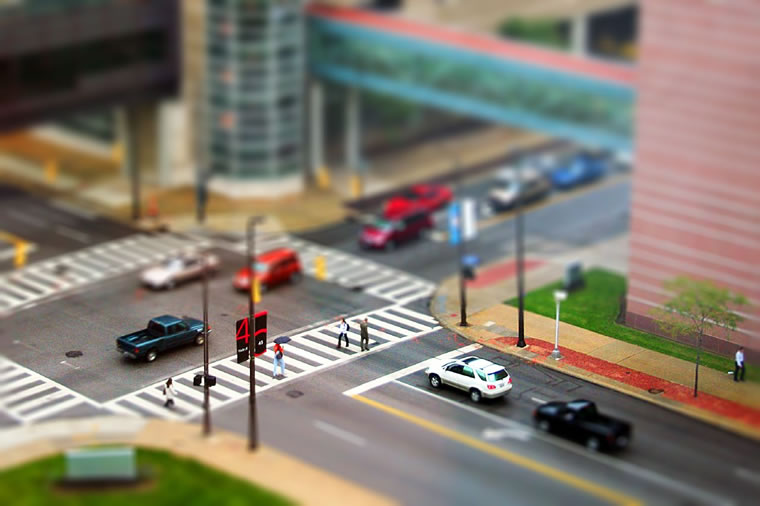
Tilt Shift photography is simply creating a graduated blur to create the illusion of an impossible depth of field that could only be created if the image was a tiny model.  It is an illusion but very effective.

Task
Use this tutorial to make a tilt shift image yourself.  You can use the same image in the tutorial


In total you will have 3 images to tilt shift
  1. the above image
  2. one image you have chosen
  3. one that you have taken a picture of yourself
all to be done by 10/11/17

Extension

There are some people who I'm expecting to complete an extension activity.  Have a look at what to do here.

free lensing is a technique where you can detach the lens from your camera and take pictures through your detached lens. Here are some results


Wednesday, 18 October 2017

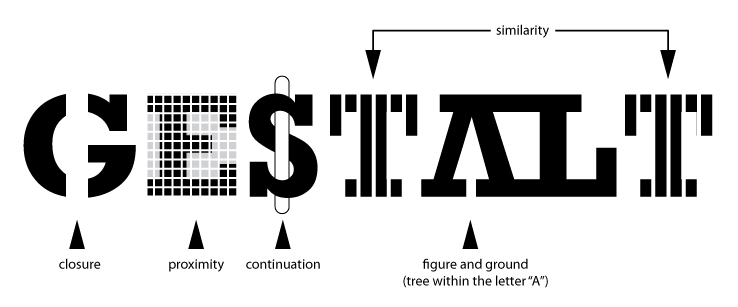
Gestalt In Photography


Click the link above to find out more about Gastalt


Objective:
to Understand the principals of Gestalt theory within photography

Task:

1.
Create 3 slides (2 concepts per slide) that explains the 6 gestalt areas using the above link and stuff what Mr Jones said in lesson.

Deadline: Tomorrow

2.
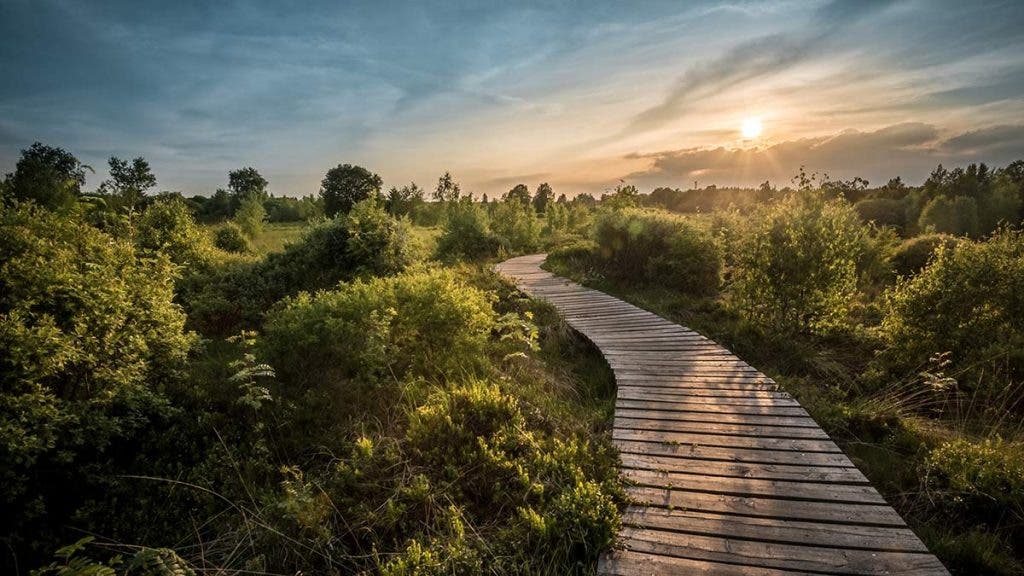
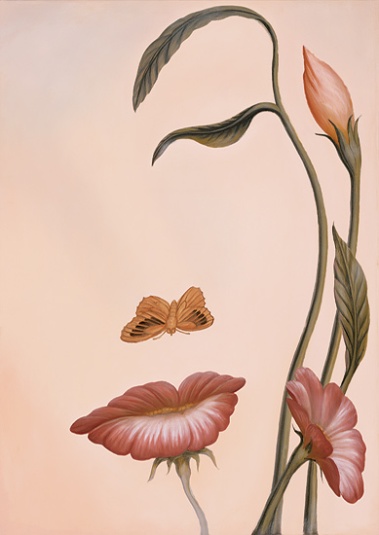
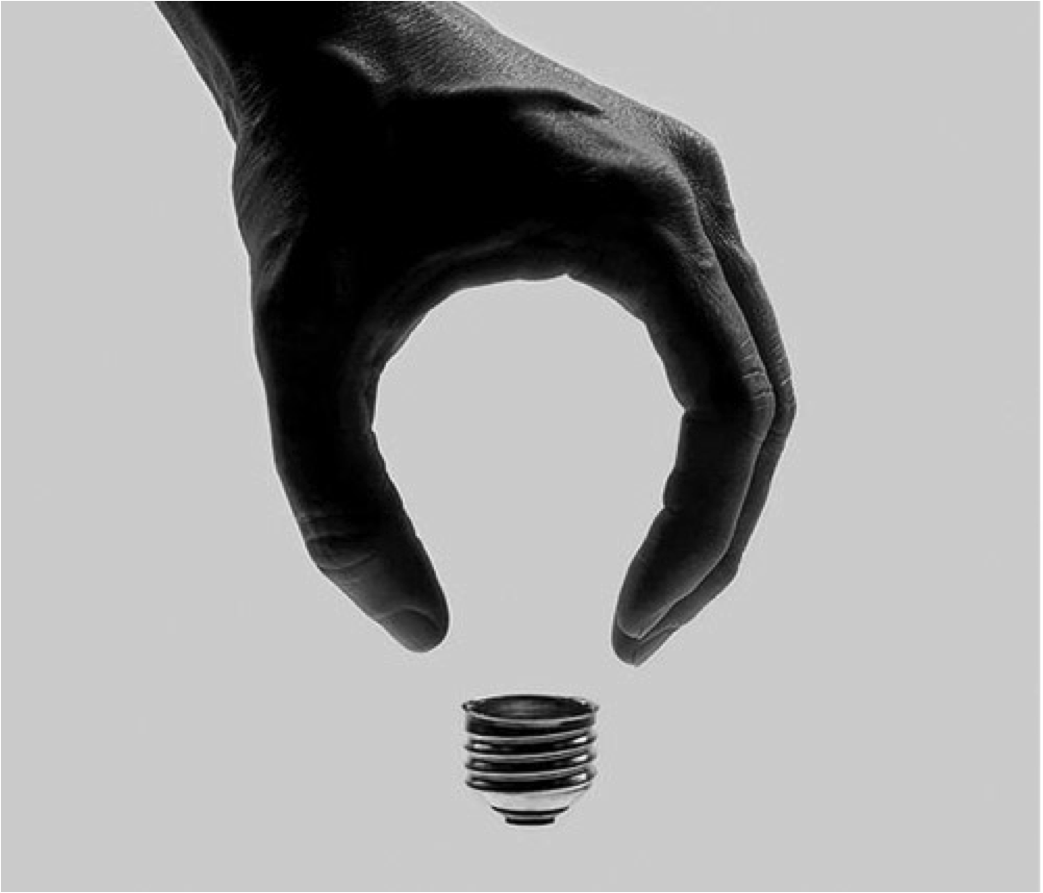
Choose one image from the ones below and explain how they can be considered to have gestalt characteristics.  Pick one of the 5/6 areas of gestalt that apply best to the image you have chosen.


Remember


Deadline: 20th of October 3:20pm


Monday, 16 October 2017

Mood Board

Create a moodboard for your component 1

This will help show me what your project is about.  Take images from the web that help demonstrate your theme visualy. You will also need to answer the following questions for each image


1. Why are these pictures here?
2. How did you find them?
3. How are they going to help you make progress?
4. How are they grouped?
5. How did you decide on these images?